We have treated almost 100,000 patients on our mission to save one million lives.
We have treated almost 100,000 patients on our mission to save one million lives.

Xanax (Alprazolam) abuse, addiction & recovery
-
 Written by: Alexandra Talarico
 -
 Medically Reviewed by: Ashley Gardner
 -
 Compliance Reviewed by: Marianne Birmingham




Xanax Addiction Treatment
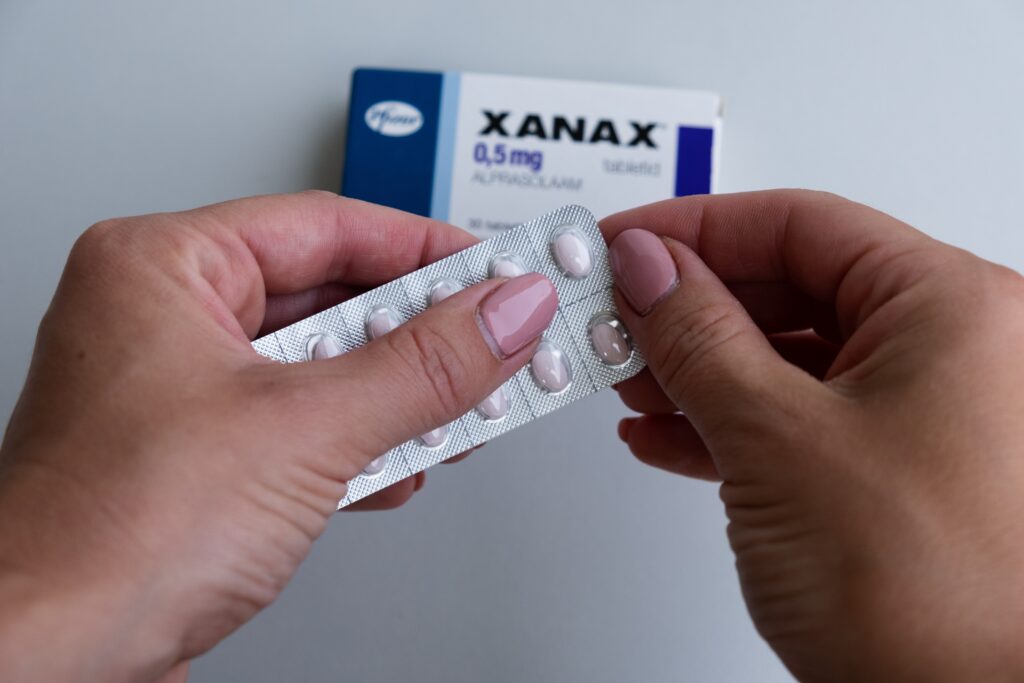
Xanax addiction can develop quickly and may cause serious withdrawal symptoms if stopped suddenly. Medical detox and structured treatment are often essential for safety. This page explains Xanax addiction risks, withdrawal concerns, and Recovery Centers of America’s evidence-based treatment options designed to support recovery and underlying mental health needs.
Understanding Xanax and Its Addictive Properties
Xanax (alprazolam) belongs to a class of medications called benzodiazepines, which work by enhancing the effects of GABA (gamma-aminobutyric acid) in the brain. This neurotransmitter produces calming effects, making Xanax highly effective for treating anxiety and panic disorders.
The medication’s rapid onset and short half-life create unique addiction risks. People often experience relief within 15 to 30 minutes, but effects typically last only 4 to 6 hours. This quick cycle can lead to frequent dosing patterns that increase tolerance and dependence potential.
Physical dependence can develop within weeks of regular use, even when taking prescribed doses. The brain adapts to Xanax’s presence by reducing natural GABA production, creating a chemical imbalance that requires continued medication to maintain normal function.
| Factor | Xanax (alprazolam) | Valium (diazepam) |
|---|---|---|
| Onset of Action | 15 to 30 minutes (fast- acting) | 30 to 60 minutes (slower onset) |
| Half-Life | 6 to 12 hours (short-acting) | 20 to 100 hours (long- acting) |
| Addiction Potential | Higher due to rapid effects | Moderate. Slower onset reduces rush |
| Withdrawal Severity | More intense. Symptoms emerge quickly | Generally milder. Gradual symptom onset |
| Medical Supervision | Required. High seizure risk | Required. Often used in tapering protocols |
| Common Medical Uses | Panic disorder, acute anxiety | Anxiety, muscle spasms, alcohol withdrawal |
Why this matters for treatment: Valium’s longer half-life makes it a preferred medication for tapering protocols during benzodiazepine detox. This substitution approach allows for more gradual dose reductions, minimizing withdrawal severity while your brain readjusts its chemical balance.
Recognizing Signs of Xanax Addiction
Xanax addiction manifests through various physical, behavioral, and psychological symptoms. Early recognition enables more effective intervention and treatment outcomes.
Physical indicators of benzodiazepine addiction include drowsiness, confusion, slurred speech, and coordination problems. People may experience memory impairment, particularly difficulty forming new memories during intoxication periods.
Behavioral changes often emerge as tolerance develops. Individuals may request early prescription refills, visit multiple doctors, or purchase pills illegally. Social isolation, declining work performance, and neglecting responsibilities become increasingly common.
Psychological dependence creates intense anxiety about being without the medication. Individuals report feeling unable to function normally without Xanax, even during situations that previously caused minimal stress.
Xanax Withdrawal
Discontinuing Xanax presents significant medical risks that require professional supervision. Xanax withdrawal can produce life-threatening complications, including seizures and severe cardiovascular events.
Withdrawal symptoms typically begin 6 to 12 hours after the last dose and can persist for weeks or months. Early symptoms include increased anxiety, insomnia, tremors, and heightened sensory sensitivity. Some individuals experience hyperthermia, rapid heart rate, and blood pressure fluctuations.
Post-acute withdrawal syndrome (PAWS) involves persistent symptoms including cognitive impairment, emotional instability, and physical discomfort that can last six months to several years.
Xanax withdrawal almost always requires medically supervised detoxification. Attempting to quit without professional support significantly increases risks of dangerous complications and treatment failure.
Medical Detoxification Process
Our medical detoxification program provides 24-hour supervision during the withdrawal period. Experienced physicians monitor vital signs, manage symptoms, and adjust treatment protocols based on individual responses.
The tapering process involves gradually reducing Xanax doses over weeks or months. This controlled approach minimizes withdrawal severity while allowing the brain to slowly readjust its chemical balance. Substitution with longer-acting benzodiazepines like Valium often facilitates smoother transitions.
Medication management may include anticonvulsants to prevent seizures, beta-blockers for cardiovascular symptoms, and sleep aids for severe insomnia. Nutritional support helps restore depleted vitamins and minerals common in individuals with substance use disorders.
Psychological support during detoxification addresses anxiety, depression, and panic that intensify during withdrawal. Counselors provide coping strategies and emotional support while medical staff manages physical symptoms.
Comprehensive Treatment Approaches
Successful Xanax addiction treatment goes far beyond medical detoxification. Our programs address underlying mental health conditions, develop healthy coping mechanisms, and prevent relapse through comprehensive therapeutic interventions.
CBT (cognitive behavioral therapy) helps individuals identify thought patterns and behaviors that contribute to substance use. Individuals learn practical skills for managing anxiety without medication while addressing distorted thinking that perpetuates addiction cycles.
DBT (dialectical behavior therapy) teaches emotional regulation techniques particularly beneficial for individuals with co-occurring personality disorders or trauma histories. These skills help manage intense emotions that often trigger Xanax use.
Group therapy provides peer support and reduces isolation common in addiction recovery. Participants share experiences, learn from others’ successes, and develop accountability relationships that support long-term sobriety.
Addressing Co-Occurring Disorders
Many individuals with Xanax addiction have underlying anxiety disorders, depression, or trauma-related conditions that require simultaneous treatment. Integrated dual-diagnosis programs address both addiction and mental health disorders concurrently.
Anxiety disorders that initially led to Xanax prescription need alternative management strategies. Failure to do so may lead to recurrence of symptoms which can lead to reoccurrence of Xanax addiction. Evidence-based approaches include exposure therapy, mindfulness techniques, and non-addictive medications when appropriate.
PTSD (post-traumatic stress disorder) frequently co-occurs with benzodiazepine addiction, particularly among veterans and trauma survivors. Specialized trauma-informed therapies help process traumatic experiences while developing healthy coping mechanisms.
Depression treatment may involve antidepressant medications that don’t carry addiction risks. Therapeutic approaches focus on behavioral activation, problem-solving skills, and cognitive restructuring to address depressive symptoms.
Relapse Prevention Strategies
Long-term recovery requires comprehensive relapse prevention planning that addresses high-risk situations and triggers. Our programs help individuals develop personalized strategies for maintaining sobriety after treatment completion.
Stress management techniques replace previous reliance on Xanax for anxiety relief. Progressive muscle relaxation, deep breathing exercises, and mindfulness meditation provide immediate anxiety management tools.
Sleep hygiene education addresses insomnia that commonly persists after benzodiazepine discontinuation. Healthy sleep habits, environmental modifications, and relaxation techniques improve sleep quality without medication dependence.
Support network development connects individuals with family members, friends, and community resources that encourage continued recovery. Ongoing therapy, support groups, and regular medical monitoring provide accountability and early intervention if relapse warning signs emerge.
Family Involvement and Support
Addiction affects entire family systems, making family involvement beneficial for successful recovery outcomes. Our programs educate family members about addiction as a medical condition while teaching communication skills and boundary setting.
Family therapy sessions address relationship damage caused by addiction behaviors. Participants work through resentment, rebuild trust, and establish healthy interaction patterns that support recovery goals.
Educational workshops help family members understand withdrawal symptoms, relapse risks, and appropriate responses to concerning behaviors. This knowledge reduces anxiety and enables more effective support.
Co-dependency issues often develop when family members attempt to control or enable addictive behaviors. Therapy helps family members focus on their own well-being while providing appropriate support for their loved one’s recovery.
Recovery Centers of America’s Specialized Approach
RCA’s Xanax addiction treatment programs combine medical expertise with compassionate care tailored to everyone’s unique circumstances. According to Recovery Centers of America, prescription drug addiction requires personalized care.
Medical staff include addiction medicine physicians, psychiatrists, and nurses trained in benzodiazepine withdrawal management. This expertise ensures safe, comfortable detoxification while minimizing complications.
Treatment plans address individual factors including the level of support needed, co- occurring disorders, family dynamics, and personal recovery goals. Flexible programming accommodates work schedules and family responsibilities when appropriate.
Continuing care planning begins during initial treatment phases, ensuring seamless transitions between levels of care. Alumni programs provide ongoing support and connection with others who understand benzodiazepine addiction challenges.
Recovery from Xanax addiction is possible with personalized care and guidance. Our team meets you with respect, compassion, and clinical expertise so you’ll feel safe, understood, and supported as you work toward recovery.





"Great presentation tonight with Jaye. Thank you for offering support for families. We appreciate RCA."
- Cheryl A Harden
"Jaye was extremely knowledgeable, kind, caring, and informative. We clarified several questions which will better prepare us to help our loved one."
- M-Q F.
"These meetings and webinars help tremendously. The facilitators and other family members provide a safe space and understanding"
- Tracy T.
"We are new to the addiction/depression struggles of our son. It is very overwhelming, especially when he refuses to stop drinking. RCA has a lot of help to offer. We will be in touch soon. Thank you."
- Kathleen F.
Frequently Asked Questions About Xanax Addiction
Is Xanax addictive?
Yes, Xanax is highly addictive. Physical dependence can develop within 2 to 4 weeks of
regular use, even when taking the medication exactly as prescribed. The drug’s rapid onset creates a quick sense of relief that reinforces repeated use, while tolerance builds quickly, meaning you need higher doses to achieve the same calming effects. Both physical and psychological dependence make Xanax one of the most challenging prescription medications to stop using without professional help.
How long does Xanax detox take?
Xanax detox typically takes 2 to 4 weeks for acute withdrawal symptoms, although the timeline varies based on factors like dosage, duration of use, and individual physiology. Symptoms usually begin 6 to 12 hours after your last dose and peak within the first week. However, protracted withdrawal symptoms, including anxiety, sleep disturbances, and cognitive difficulties, can persist for several months. Medical tapering protocols extend detox timelines deliberately to reduce symptom severity and prevent dangerous complications like seizures.
What are Xanax withdrawal symptoms?
Xanax withdrawal symptoms range from uncomfortable to life-threatening and require medical supervision. Common symptoms include severe anxiety and panic attacks, insomnia and disturbed sleep, tremors and muscle tension, sweating and rapid heartbeat, nausea and headaches, difficulty concentrating, and heightened sensitivity to light, sound, and touch.
Severe symptoms can include seizures (which can be fatal), psychosis, and hallucinations. The intensity of withdrawal typically reflects how long you’ve used Xanax and at what dosage.
Can I quit Xanax on my own?
Quitting Xanax without medical supervision is dangerous and strongly discouraged. Unlike many other substances, benzodiazepine withdrawal can cause life-threatening seizures and severe cardiovascular complications. Medical detox programs use gradual tapering protocols, often substituting longer-acting benzodiazepines, to safely wean your body off the medication while managing symptoms. Attempting to quit cold turkey significantly increases your risk of medical emergencies and makes long-term recovery less likely.
What treatment options are available for Xanax addiction?
Effective Xanax addiction treatment combines medical detoxification with comprehensive behavioral therapies. Treatment typically begins with supervised detox using tapering protocols, followed by residential or outpatient treatment that includes cognitive behavioral therapy (CBT), dialectical behavior therapy (DBT), individual and group counseling, and dual- diagnosis treatment for co-occurring anxiety or depression. Aftercare planning and ongoing support help maintain long-term recovery.
Does insurance cover Xanax addiction treatment?
Most health insurance plans cover substance abuse treatment, including Xanax addiction programs. Coverage varies by provider and plan type, but the Mental Health Parity and Addiction Equity Act requires insurers to cover addiction treatment similarly to other medical conditions. Recovery Centers of America works with most major insurance providers and offers insurance verification to help you understand your specific coverage before beginning treatment.
Related Topics
Explore these related resources to learn more about benzodiazepine addiction, treatment options, and recovery support: