

-
 Written by: Alexandra Talarico
 -
 Clinically Reviewed by: Pete Vernig
 -
 Compliance Reviewed by: Marianne Birmingham
Explore treatment options, levels of care, and what to expect.
This page explains what you can expect from drug and alcohol rehab in Massachusetts, whether you need inpatient or outpatient treatment, and regardless of the severity of your addiction. Read on to learn how to connect with compassionate care at a suitable level of intensity.
Locations
Our Massachusetts Addiction Treatment Center Locations

75 Lindall St.
Danvers, MA 01923
Treatment Offerings
- Acute Treatment Services (ATS)
- Clinical Stabilization Services (CSS)
- Family Education and Coaching
- Medication-Assisted Treatment (MAT)
- Evidence-based treatment
- 12-step programming
- Dual diagnosis treatment
- Relapse prevention
- Addiction Intervention Services
Programs
- SMART Recovery
- FastTrack for ERs, hospitals, and urgent cares
75 Lindall St.
Danvers, MA 01923
Treatment Offerings
- Mental health outpatient treatment
- Extended day addiction treatment
- Day treatment for addiction
- Evidence-based treatment
- 12-step programming
- Dual diagnosis treatment
- Relapse prevention
- Addiction Intervention Services
- Virtual, in-person, and hybrid formats available

9 Village Inn Rd,
Westminster, MA 01473
Treatment Offerings
- Acute Treatment Services (ATS)
- Clinical Stabilization Services (CSS)
- Family Education and Coaching
- Medication-Assisted Treatment (MAT)
- Evidence-based treatment
- 12-step programming
- Dual diagnosis treatment
- Relapse prevention
- Addiction Intervention Services
Programs
9 Village Inn Rd,
Westminster, MA 01473
Treatment Offerings
- Mental health outpatient treatment
- Psychiatric Evaluation
- Extended day addiction treatment
- Day treatment for addiction
- Virtual, in-person, and hybrid formats available
- Family Education and Coaching
- Medication-Assisted Treatment (MAT)
- Evidence-based treatment
- 12-step programming
- Dual diagnosis treatment
- Relapse prevention
- Addiction Intervention Services
Massachusetts
Inpatient Treatment
Inpatient rehab—including detox and residential treatment—is the most intensive approach to addiction recovery [1], providing structured 24-hour care in a controlled therapeutic environment. This level of care is especially beneficial for individuals with severe substance use disorders, co-occurring mental health disorders, or those requiring medical detoxification supervision.
Medically supervised detox

Professional monitoring of withdrawal symptoms with appropriate medical interventions to ensure safety and comfort during the detoxification process [2].
Comprehensive assessment

Thorough evaluation of physical health, mental health, substance use history, and personal circumstances to develop individualized treatment plans.
Evidence-based therapeutic interventions
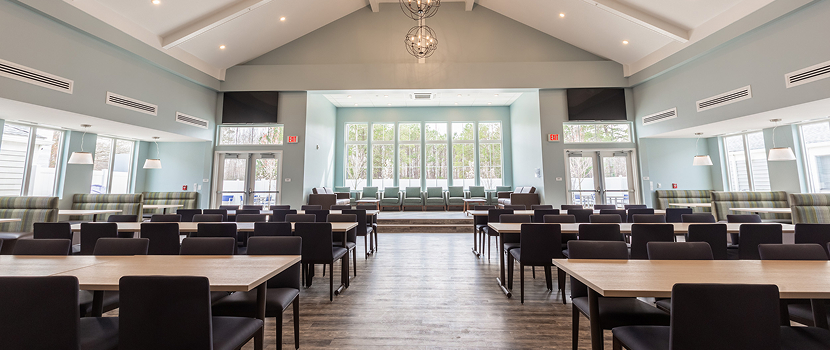
Structured individual and group therapy sessions utilizing proven approaches like CBT (cognitive behavioral therapy), DBT (dialectical behavior therapy), and MI (motivational interviewing).
MAT (medication-assisted treatment)

Holistic wellness programming

Integration of complementary approaches including nutritional counseling, fitness activities, mindfulness practices, and stress management techniques.
Family involvement

Educational and therapeutic opportunities for family members to participate in the recovery process, promoting understanding and healing within the family system.
Residential treatment
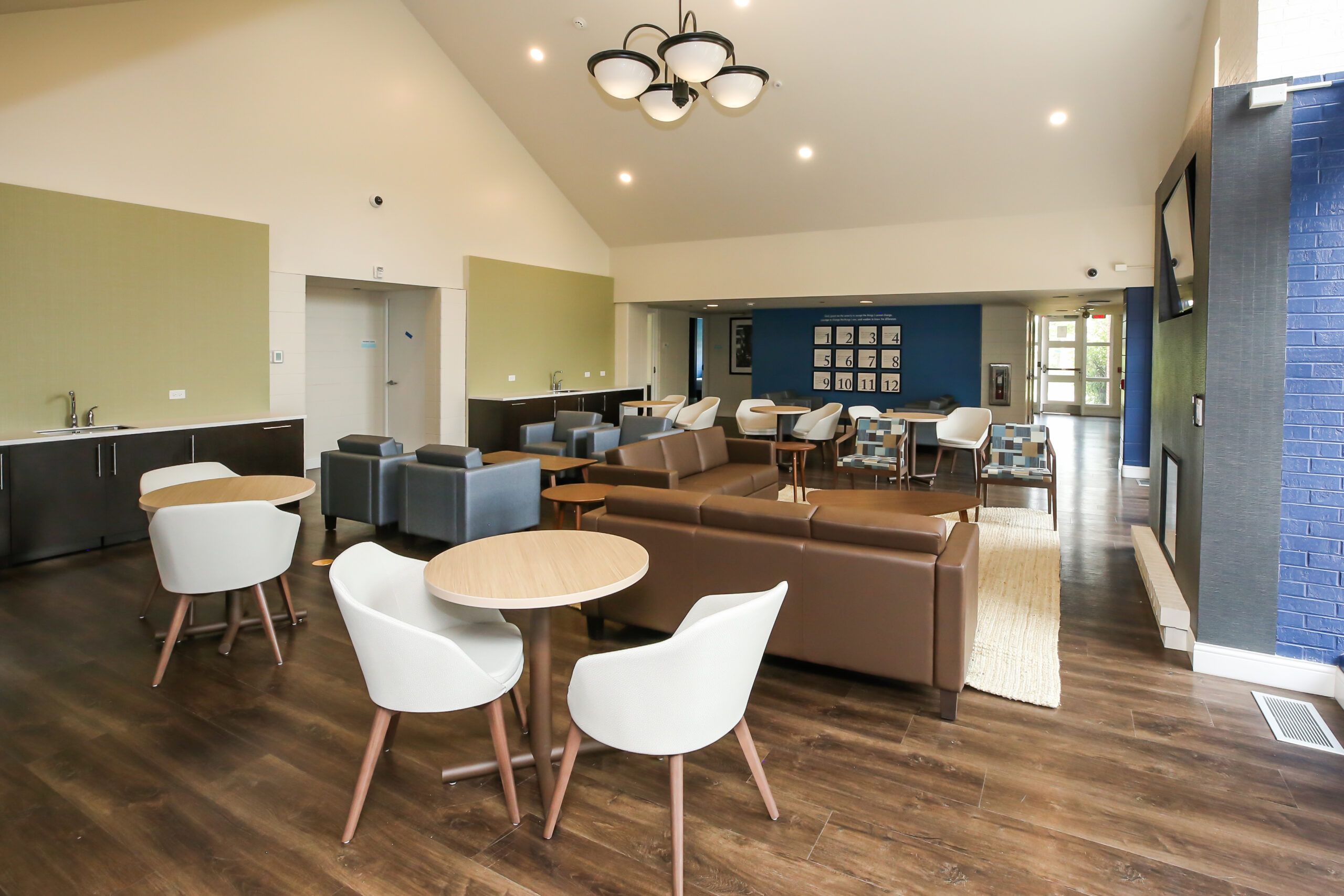
Inpatient treatment, including detox and residential, provides a protective environment free from external triggers and substances, enabling people to focus entirely on their recovery journeys. The immersive nature of inpatient care creates a therapeutic community where individuals can develop essential coping skills, address underlying issues driving addiction, and set a solid foundation for sustainable recovery.
Massachusetts
Outpatient Treatment Options
Outpatient alcohol and drug rehab in Massachusetts offers flexibility while providing structured therapeutic support. These programs allow individuals to maintain their everyday personal and professional commitments while engaging in evidence-based addiction treatment.

Extended Day Treatment
Extended Day treatment is the most intensive form of outpatient treatment, typically involving:
- Five days of programming per week.
- Five hours of daily therapeutic services.
- Comprehensive clinical support without overnight stays.
- Similar therapeutic interventions to residential treatment.

Day Treatment
Day treatment serves a step-down level of care from extended day or residential rehab in Massachusetts. Day treatment involves:
- Three to five days of programming per week.
- Three to four hours of daily therapeutic services.
- Focused group therapy with individual counseling.
- Development of relapse prevention strategies.

Telehealth services
Virtual addiction treatment has become increasingly available in Massachusetts. This includes:
- Remote access to therapy and support.
- Convenient scheduling options.
- Increased accessibility for those with transportation barriers.
- Comparable outcomes to in-person treatment for many individuals.


Is the Full Continuum of Care Necessary?
Research shows that more extended engagement with treatment services correlates with improved recovery outcomes [3]. The full continuum of care—progressing from more intensive to less intensive levels of treatment—provides comprehensive support throughout the recovery journey.
Benefits of the complete treatment continuum include:
- Graduated transition: Stepwise movement through levels of care allows individuals to practice recovery skills with decreasing levels of support, building confidence and self-efficacy.
- Extended support duration: Continued connection to treatment services provides accountability and professional guidance during the vulnerable early phase of recovery.
- Individualized progression: Treatment intensity can be adjusted based on personal needs and circumstances, allowing for increased support during challenging periods.
- Comprehensive skill development: Each level of care reinforces and builds upon skills learned in previous treatment settings, allowing for progressive mastery of recovery tools.
While the full continuum may not be necessary for every individual, most people benefit from a graduated approach to treatment that provides appropriate support through the early recovery process. Treatment providers conduct thorough assessments to determine the optimal treatment pathway for each person based on their needs, circumstances, and recovery goals.
Local Resources and Community Support
Recovery extends beyond formal treatment programs. There are many robust community-based recovery support services in Massachusetts that complement clinical interventions and deliver ongoing connections to recovery resources.
Local Support Groups

Peer support communities offer encouragement, practical guidance, and connection with others who understand the inherent challenges of addiction recovery:
Recovery Community Organizations

Massachusetts hosts several recovery community centers that offer:
- Peer recovery coaching.
- Social activities and sober recreation.
- Recovery advocacy opportunities.
- Resources for housing, employment, and education.
- Community connection and belonging
Professional Recovery Support Services

Additional support services available throughout Massachusetts include:
- Recovery coaching programs.
- Sober living environments.
- Vocational rehabilitation
- Legal assistance.
- Healthcare navigation.
Substance Abuse Statistics in Massachusetts

+80,000
people
Addiction has wide-reaching effects, impacting individuals, families, and entire communities. In 2017, more than 80,000 people in Massachusetts sought help through substance abuse treatment programs.

18-25
average age
According to data from SAMHSA (Substance Abuse and Mental Health Services Administration), young adults between the ages of 18 and 25 in Massachusetts engage in binge drinking at rates higher than the national average. This trend may be influenced by the widespread drinking culture endemic to college campuses [4].

+0.5%
national average
Substance use disorder affects Massachusetts residents over the age of 12 at a slightly higher rate than the rest of the United States. Data show that 3.4% of this population reported drug use in the past year, compared to the national average of 2.9%.

2x
as likely to overdose
Opioid addiction and overdose remain pressing concerns in the state. Between 2016 and 2020, the rate of opioid overdose deaths in Massachusetts was almost double the national average.
Substance Abuse Statistics in Massachusetts
people
Addiction has wide-reaching effects, impacting individuals, families, and entire communities. In 2017, more than 80,000 people in Massachusetts sought help through substance abuse treatment programs.
average age
According to data from SAMHSA (Substance Abuse and Mental Health Services Administration), young adults between the ages of 18 and 25 in Massachusetts engage in binge drinking at rates higher than the national average. This trend may be influenced by the widespread drinking culture endemic to college campuses [4].
national average
Substance use disorder affects Massachusetts residents over the age of 12 at a slightly higher rate than the rest of the United States. Data show that 3.4% of this population reported drug use in the past year, compared to the national average of 2.9%.
as likely to overdose
Opioid addiction and overdose remain pressing concerns in the state. Between 2016 and 2020, the rate of opioid overdose deaths in Massachusetts was almost double the national average.
Why choose RCA
Suppose you’re unsure whether or not to engage with addiction treatment in Massachusetts. In that case, there are many reasons to place your trust in Recovery Centers of America to help you recalibrate your life.
Our Approach
Recovery Centers of America implements a comprehensive treatment philosophy that addresses the complex nature of addiction through personalized care planning and evidence-based interventions.
Specialized Recovery Pathways
RCA’s three distinct treatment pathways are designed to meet individuals where they are in their recovery journey.
01
Foundations of Recovery
Tailored for individuals new to treatment, this pathway provides essential education about addiction, introduces recovery concepts, and establishes the groundwork for sustainable sobriety. The program addresses common concerns and uncertainties for those entering treatment for the first time.
02
Fresh Start
Designed for individuals who have previously received treatment, this pathway builds on existing knowledge while identifying and addressing factors that may have contributed to relapse. This approach focuses on resilience, refined coping strategies, and a deeper exploration of recovery challenges.
03
Balance
This specialized pathway integrates addiction treatment with care for co-occurring mental health or medical conditions. The comprehensive approach ensures that all aspects of a person’s health are addressed simultaneously, accounting for the interconnected nature of addiction and other health concerns.
01 Foundations of Recovery
02 Fresh Start
Designed for individuals who have previously received treatment, this pathway builds on existing knowledge while identifying and addressing factors that may have contributed to relapse. This approach focuses on resilience, refined coping strategies, and a deeper exploration of recovery challenges.
03 Balance
This specialized pathway integrates addiction treatment with care for co-occurring mental health or medical conditions. The comprehensive approach ensures that all aspects of a person’s health are addressed simultaneously, accounting for the interconnected nature of addiction and other health concerns.


Evidence-Based Therapeutic Modalities
RCA utilizes scientifically validated treatment approaches, including:
01 CBT
- Core components: Examination of automatic thoughts, behavioral activation, and development of coping skills.
- Effectiveness: Substantial research demonstrates the efficacy of CBT for substance use disorders [6].
- Application: Both individual and group settings, with specialized protocols for specific substances.
- Benefits: Development of practical skills that support sustained recovery.
02 DBT
- Core components: Mindfulness, distress tolerance, emotion regulation, and interpersonal effectiveness.
- Effectiveness: Particularly beneficial for individuals with
- emotional dysregulation or trauma histories.
- Application: Structures skill-building groups paired with individual therapy.
- Benefits: Improved emotional management and reduced impulsive behaviors.
03 Motivational Interviewing
- Core components: Empathy, developing discrepancy, rolling with resistance, and supporting self-efficacy.
- Clinical application: Brief interventions or integration with other therapeutic modalities.
- Effectiveness: Especially valuable for those in early recovery and for treatment engagement.
- Process: Collaborative exploration rather than confrontational approaches.
04 Trauma-Informed Treatment
Trauma plays a role in many substance use disorders and calls for specialized interventions:
- Assessment practices: Trauma-sensitive screening and evaluation protocols.
- Treatment approaches: Seeking Safety, and other trauma-specific modalities.
- Environmental considerations: Creation of physically and emotionally safe treatment settings.
- Integration: Addressing trauma concurrently with substance use rather than sequentially.
05 Outpatient Mental Health Treatment


Medication-Assisted Treatment (MAT) in Massachusetts


Methadone
- Long-acting opioid agonist administered in specialized clinics
- Reduces withdrawal symptoms and cravings.
- Daily dosing with eventual take-home options.
- Requires participation in regulated programs.
Buprenorphine (Suboxone, Sublocade):
- Partial opioid agonist that reduces withdrawal symptoms and cravings.
- Office-based prescribing allows greater accessibility.
- Lower risk of respiratory depression than full agonists.
- Available as daily films, tablets, and monthly injections.
Naltrexone (Vivitrol):
- Non-addictive with no potential for misuse.
- Monthly injectable format enhances adherence.
- Required complete detoxification before initiation.
- Particularly effective for highly motivated individuals.
Methadone
- Long-acting opioid agonist administered in specialized clinics
- Reduces withdrawal symptoms and cravings.
- Daily dosing with eventual take-home options.
- Requires participation in regulated programs.
Buprenorphine (Suboxone, Sublocade):
- Partial opioid agonist that reduces withdrawal symptoms and cravings.
- Office-based prescribing allows greater accessibility.
- Lower risk of respiratory depression than full agonists.
- Available as daily films, tablets, and monthly injections.
Naltrexone (Vivitrol):
- Non-addictive with no potential for misuse.
- Monthly injectable format enhances adherence.
- Required complete detoxification before initiation.
- Particularly effective for highly motivated individuals.
Acamprosate:
- Reduces post-acute withdrawal symptoms
- Stabilizes neurochemical systems disrupted by chronic alcohol use.
- Generally well-tolerated with minimal side effects.
- Particularly effective when abstinence is already established.
- Requires a consistent dosing schedule.
- Safest option for those with significant liver disease.
Naltrexone:
- Reduces alcohol cravings and diminishes euphoric effects.
- Available as a daily oral medication or a monthly injection.
- Does not require abstinence before initiation.
- Can support moderation goals for some individuals.
- Compatible with various psychosocial approaches.
- Preferred treatment option for those with concurrent alcohol and opioid use disorders.
Disulfiram
- Creates an unpleasant reaction when alcohol is consumed.
- Serves as a deterrent to drinking.
- Requires high motivation and medication adherence.
- Used selectively for appropriate candidates.
- Most effective with supervised administration.
Acamprosate:
- Reduces post-acute withdrawal symptoms.
- Stabilizes neurochemical systems disrupted by chronic alcohol use.
- Generally well-tolerated with minimal side effects.
- Particularly effective when abstinence is already established.
- Requires a consistent dosing schedule.
- Safest option for those with significant liver disease.
Naltrexone:
- Reduces alcohol cravings and diminishes euphoric effects.
- Available as a daily oral medication or a monthly injection.
- Does not require abstinence before initiation.
- Can support moderation goals for some individuals.
- Compatible with various psychosocial approaches.
- Preferred treatment option for those with concurrent alcohol and opioid use disorders.
Disulfiram
- Creates an unpleasant reaction when alcohol is consumed.
- Serves as a deterrent to drinking.
- Requires high motivation and medication adherence.
- Used selectively for appropriate candidates.
- Most effective with supervised administration.
Integration with Psychosocial Treatment
- Comprehensive assessment:
Determining appropriate medication candidates. - Ongoing monitoring:
Regularly evaluating effectiveness and side effects. - Counseling integration:
Concurrent behavioral therapies addressing psychological aspects. - Peer support:
Connection with recovery communities that support medication approaches. - Education:
Clear information about the role of medications in the recovery process.

Experienced Staff
RCA employs multidisciplinary teams of addiction specialists committed to delivering compassionate, effective care:
- Medical professionals, including board-certified physicians and nursing staff with specialized training in addiction medicine, oversee detoxification and medication management.
- Licensed clinicians: Master’s level therapists with expertise in substance use disorders and co-occurring mental health conditions provide individual and group therapy.
- Recovery support specialists: Many staff members bring personal recovery experience alongside professional qualifications, offering unique insights and an authentic connection.
- Case managers: Dedicated professionals help with aftercare planning, connecting to community resources, and providing practical support for a sustainable recovery.
- Holistic practitioners, specialists in complementary approaches such as nutrition, fitness, mindfulness, and creative expression, enhance the comprehensive treatment experience.
RCA’s commitment to clinical excellence ensures that individuals receive care from professionals who understand the intricacies of addiction and recovery across all aspects.

State of the Art Facilities
RCA’s Massachusetts treatment centers provide therapeutic environments designed to support healing and recovery.

Comfortable Accommodations:
Clean, well-appointed residential spaces that prioritize patient comfort and dignity.

Purpose-built spaces for individual therapy, group sessions, and educational programming.

Facilities for physical exercise, meditation, and recreational activities that support holistic recovery.

On-site medical resources for safe detoxification and ongoing health monitoring.

Modern systems for treatment coordination, communication, and educational resources.
Comfortable Accommodations:
Clean, well-appointed residential spaces that prioritize patient comfort and dignity.

Clinical Treatment Areas:
Purpose-built spaces for individual therapy, group sessions, and educational programming.
Wellness Amenities:
Facilities for physical exercise, meditation, and recreational activities that support holistic recovery.
Medical Capabilities:
On-site medical resources for safe detoxification and ongoing health monitoring.
Technology Integration:
Modern systems for treatment coordination, communication, and educational resources.
Success Stories, and Testimonials
The effectiveness of RCA’s approach is reflected in the experiences of those who have completed treatment. Everyone has a different understanding of the recovery process, and we meet people wherever they are on their journey to deliver personalized and evidence-based treatment.
You can go here to check out many inspiring stories from RCA alums. These testimonials represent just a few of the more than 77,000 patients RCA has treated in pursuit of its mission to help one million individuals achieve lifelong recovery.
RCA in the Media
Recovery Centers of America has received recognition for its treatment approach and outcomes:

Eight RCA facilities were recognized in Newsweek’s 2024 America’s Best Addiction Centers rankings.

Featured in national media coverage of innovative approaches to addiction treatment.

Recognized for contributions to addressing the opioid epidemic.

Highlighted for community education and outreach initiatives.
Frequently Asked Questions
What can I take to treatment?
When preparing for inpatient treatment at RCA, individuals should bring:
- Clothing: Comfortable, season-appropriate clothing for 7 to 10 days, including exercise attire and modest sleepwear. Laundry facilities are available.
- Personal care items: Non-alcoholic toiletries in original, unopened packaging. Electric razors are permitted.
- Medications: All prescribed medications in original pharmacy containers with accurate labels. These will be evaluated by medical staff upon admission.
- Identification and insurance: Photo ID, insurance cards, and relevant healthcare documentation.
- Contact information: Phone numbers and addresses for important contacts.
Items to leave at home include:
- Products containing alcohol (mouthwash, perfume).
- Narcotic medications are not approved by medical staff.
- Weapons or items that could be used as weapons.
- Expensive jewelry or large amounts of cash.
- Electronic devices with cameras or internet capabilities.
A complete packing list will be provided during the admissions process.
How Long Is Treatment?
Treatment duration hinges on personal and medical needs, treatment goals, and recommendations from clinical staff. Timelines are general and vary from person to person:
- Detoxification: From five to 10 days, depending on withdrawal severity and the substance.
- Inpatient rehab: Between seven and 21 days, with longer durations possible, based on clinical necessity and insurance approval.
- Extended day treatment: From two to four weeks, with therapy sessions five days each week.
- Day treatment: Generally, six to eight weeks, with three to five weekly therapy sessions.
Our patients work with addiction specialists and medical professionals to determine the optimal treatment lengths for your circumstances and recovery goals. Plans can be tweaked as needed throughout the process and are individualized based on clinical and medical needs.
What Is Inpatient Drug Rehab?
- 24/7 structured environment.
- Comprehensive assessment.
- Medical supervision.
- Immersive therapeutic programming.
- Removal from triggers.
- Peer community.
- Holistic approach.
Is Massachusetts a Good State for Treatment?
- Progressive healthcare policies
- Treatment diversity
- Research institutions
- Recovery-supportive legislation
- Establish a recovery community
- Expert addiction specialists
Where to Go for Addiction Treatment
There are several available pathways for accessing addiction treatment in Massachusetts:
- Primary care provider: Your regular doctor can provide screenings, referrals, and, in some cases, initiate medication-assisted treatment.
- Emergency departments: Hospital emergency rooms can address acute medical needs and connect individuals with treatment resources.
- Massachusetts substance use helpline: This state resource (800-327-5050) offers confidential information and referrals to appropriate treatment options.
- Insurance provider: Your health insurance company can provide information about in-network treatment providers.
- Direct admission: Many treatment centers, including RCA, offer 24/7 admissions and can conduct assessments to determine appropriate levels of care.
- Community organizations: Local recovery community centers and support groups can guide treatment options.
The optimal approach depends on your circumstances, the severity of substance use, the presence of withdrawal symptoms, co-occurring conditions, and insurance coverage.
Does Insurance Cover the Costs of Treatment in Massachusetts?
Taking the First Step Toward Recovery
If you need immediate help accessing evidence-based addiction treatment in Massachusetts, contact RCA today.